
Fighting the Silent Epidemic: Heart Health in India
In 2026, cardiovascular disease remains the leading cause of mortality in India, often striking a decade earlier than in other parts of the world. Our genetic predisposition, combined with a cultural love for rich, fried foods and an increasingly sedentary lifestyle, has created a ‘Heart Crisis.’ However, heart disease is largely preventable through proactive lifestyle and dietary choices. Understanding how to protect your ‘Pump’ is the most vital health skill you can master. This guide explores the modern strategies for maintaining a healthy heart in an Indian environment, focusing on heart-friendly nutrition, the power of movement, and the importance of early detection.
Salt, Sugar, and the Indian Palate
The two biggest dietary enemies of the Indian heart are **Excess Sodium (Salt)** and **Refined Carbohydrates/Sugar**. High salt intake is the primary driver of Hypertension (High Blood Pressure), while excess sugar leads to inflammation and high triglycerides. Our love for pickles (achari), papad, and salted snacks (namkeen) often puts our daily sodium intake at triple the recommended limit. In 2026, heart-healthy eating involves replacing refined white rice and maida with **Fiber-rich Millets like Jowar, Bajra, and Ragi**. Fiber acts like a sponge, soaking up excess cholesterol and removing it from the body. Aim for at least 30-35g of fiber daily to keep your arteries clear and resilient.
The Oil Debate: Choosing Heart-Friendly Fats
For years, we were told to avoid all fats, but now we know that the ‘type’ of fat matters most. The worst offenders for the Indian heart are **Trans Fats and Vanaspati**, which lower good cholesterol (HDL) and raise bad cholesterol (LDL). In 2026, we advocate for a return to traditional, cold-pressed oils. **Mustard Oil** is excellent for its high Omega-3 content, and **Desi Ghee**—when used in moderation (1-2 teaspoons a day)—provides Vitamin K2, which helps keep calcium out of your arteries and in your bones. For cooking, avoid deep-frying; instead, try ‘tempering’ your dals with just a little oil or air-frying your favorite snacks to reduce lipid load.
Omega-3s and Antioxidants: The Arterial Shield
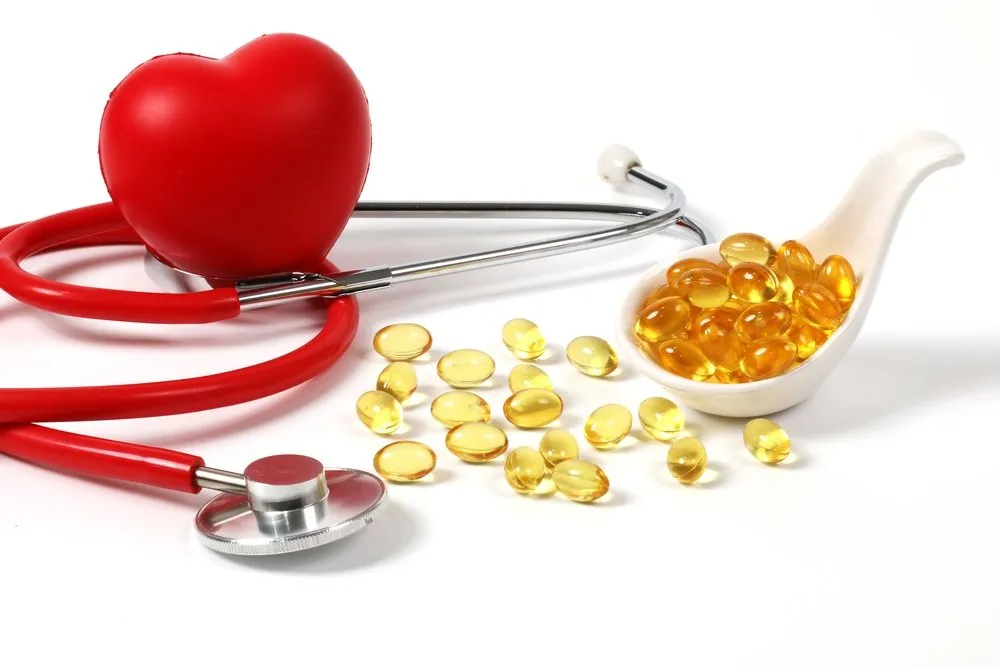
To prevent the ‘oxidation’ of cholesterol (which leads to plaque buildup), your body needs a steady supply of antioxidants. Brightly colored Indian vegetables like **Beetroot, Carrots, and Bell Peppers** provide the pigments that protect the lining of your blood vessels (the Endothelium). **Omega-3 Fatty Acids** are also crucial for reducing heart inflammation and preventing arrhythmias. If you are vegetarian, prioritize **Walnuts, Flaxseeds, and Chia Seeds**. If you eat fish, fatty fish like Mackerel and Sardines (local varieties like Bangda/Tarli) are excellent heart tonics that should be consumed twice a week for maximum benefit.
The Power of ‘Zone 2’ Cardio
Your heart is a muscle, and like any muscle, it needs consistent training. In 2026, the gold standard for cardiac longevity is **Zone 2 Exercise**—steady, low-intensity activity where you can still hold a conversation. Brisk walking for 30-45 minutes a day is more effective for heart health than a 10-minute high-intensity sprint. Walking helps expand your capillary network and improves the efficiency of your mitochondria. Combine this with traditional **Yoga and Pranayama**. Techniques like ‘Anulom Vilom’ have been shown to lower heart rate and reduce the stress-induced surges in blood pressure that are common in our high-pressure urban cities.
Stress: The Invisible Heart Killer
Scientific research has identified ‘Psychosocial Stress’ as a risk factor for heart attacks that is as significant as smoking. Chronic stress keeps your body in a state of high inflammation and causes ‘Micro-spikes’ in blood pressure that damage the artery walls over time. In India, managing the stress of commuting, work, and family expectations is a vital part of cardiovascular care. Incorporating 10 minutes of **Meditation** or practicing a hobby can literally save your heart. Never underestimate the power of a quiet mind to protect your physical heart.
Monitoring Your Numbers: The 2026 Checklist
In the modern age, ignorance is not bliss. Everyone over the age of 25 should know their ‘Heart Numbers’:
- Blood Pressure: Ideally below 120/80 mmHg.
- Lipid Profile: Focus on the ratio of Triglycerides to HDL (should be below 2).
- HbA1c: Your 3-month average blood sugar should be below 5.7%.
- HS-CRP: A marker of systemic inflammation that is an excellent predictor of heart risk.
Regular checkups allow you to catch issues long before they become emergencies. Modern tech like smartwatches can also provide early warnings of irregular heart rhythms (AFib) that might otherwise go unnoticed.
Conclusion: Your Heart, Your Life
Your heart beats about 100,000 times a day, every day, without fail. It is a miracle of biological engineering that deserves your utmost care. By choosing whole grains over refined carbs, cold-pressed oils over trans fats, and consistent movement over sedentary habits, you are writing a different future for yourself. India’s heart health challenge is great, but your individual power to change your destiny is greater. Start today—take a walk, eat a salad, and breathe deeply. Your heart has looked after you since the moment you were conceived; it’s time for you to look after it.