
The Silent Killer: Understanding Hypertension in India
In 2026, Hypertension (High Blood Pressure) is often called the ‘Silent Killer’ because it rarely presents with obvious symptoms until it causes significant damage to the heart, kidneys, or brain. In India, the prevalence of hypertension is skyrocketing, driven by a combination of high-sodium diets, chronic stress, and sedentary lifestyles. However, the most empowering news is that for many, hypertension is a ‘lifestyle disease’ that can be managed, and in some cases reversed, through proactive changes. This guide explores the science-backed, natural strategies to lower your blood pressure and protect your long-term cardiovascular health.
The Sodium-Potassium Balance
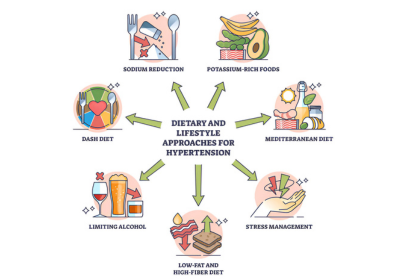
The modern Indian diet is dangerously high in sodium, primarily from processed snacks, pickles, and restaurant food. Sodium causes the body to retain water, which increases the volume of blood in your vessels, thereby raising pressure. To counter this, you must increase your **Potassium intake**. Potassium acts as a natural vasodilator, helping your blood vessels relax and lowering pressure. Incorporate potassium-rich foods like **Coconut Water, Bananas, Spinach, and Sweet Potatoes** into your daily meals. Aim to keep your daily sodium intake below 2,000mg—a simple switch like using herbs and spices instead of extra salt in your cooking can make a massive difference.
The DASH Diet: An Indian Adaptation
The DASH (Dietary Approaches to Stop Hypertension) diet is the gold standard for blood pressure management. In an Indian context, this means a plate filled with **Whole Grains (Millets), Lean Proteins (Dal, Paneer, Sprouts), and a rainbow of vegetables**. Focus on ‘Magnesium-rich’ foods like **Pumpkin seeds and Almonds**, as magnesium is essential for maintaining the elasticity of your arteries. Avoid refined sugars and trans fats, which cause systemic inflammation and stiffen your blood vessels over time.
Movement as Medicine
Physical activity is one of the most effective ways to lower blood pressure. You don’t need to run a marathon; **Consistent, Moderate-Intensity Exercise** is the key. Brisk walking for 30-45 minutes a day helps your heart pump more efficiently, reducing the force on your artery walls. Combine this with **Yoga and Pranayama**. Specific techniques like ‘Bhramari’ (Humming Bee Breath) and ‘Shavasana’ have been clinically shown to lower blood pressure by calming the nervous system and reducing the ‘Fight or Flight’ response that keeps your pressure elevated throughout the day.
Stress: The Hidden Driver
In the high-pressure urban environment of 2026, stress is a major contributor to hypertension. When you are stressed, your body releases hormones like adrenaline and cortisol, which cause your heart to beat faster and your blood vessels to constrict. To manage this, you must build ‘Stress-Resilience’ into your daily routine. Whether it’s 10 minutes of meditation, a hobby, or simply spending time in nature, these moments of calm are essential for your physical heart. Never underestimate the power of a quiet mind to lower your blood pressure.
Monitoring and Early Detection
In 2026, you should own a reliable home blood pressure monitor. Hypertension is often ‘white coat’—meaning it spikes only when you are at the doctor’s office. By monitoring your pressure at home, you get a true picture of your health. Aim for a target of 120/80 mmHg. If your readings are consistently above 130/85, it is time to take action. Regular checkups and early intervention are the best ways to prevent the long-term complications of hypertension.
Conclusion: Your Heart, Your Responsibility
Managing hypertension is not just about taking a pill; it’s about taking control of your life. By choosing whole foods, moving your body, and managing your stress, you are building a foundation of health that will serve you for decades. Start today—reduce your salt, take a walk, and breathe deeply. Your heart has looked after you since the moment you were conceived; it’s time for you to look after it.
Your First Step to Lower Pressure
Remove the salt shaker from your dining table today. Use lemon, ginger, or fresh herbs to flavor your food instead. Your blood pressure will thank you!