
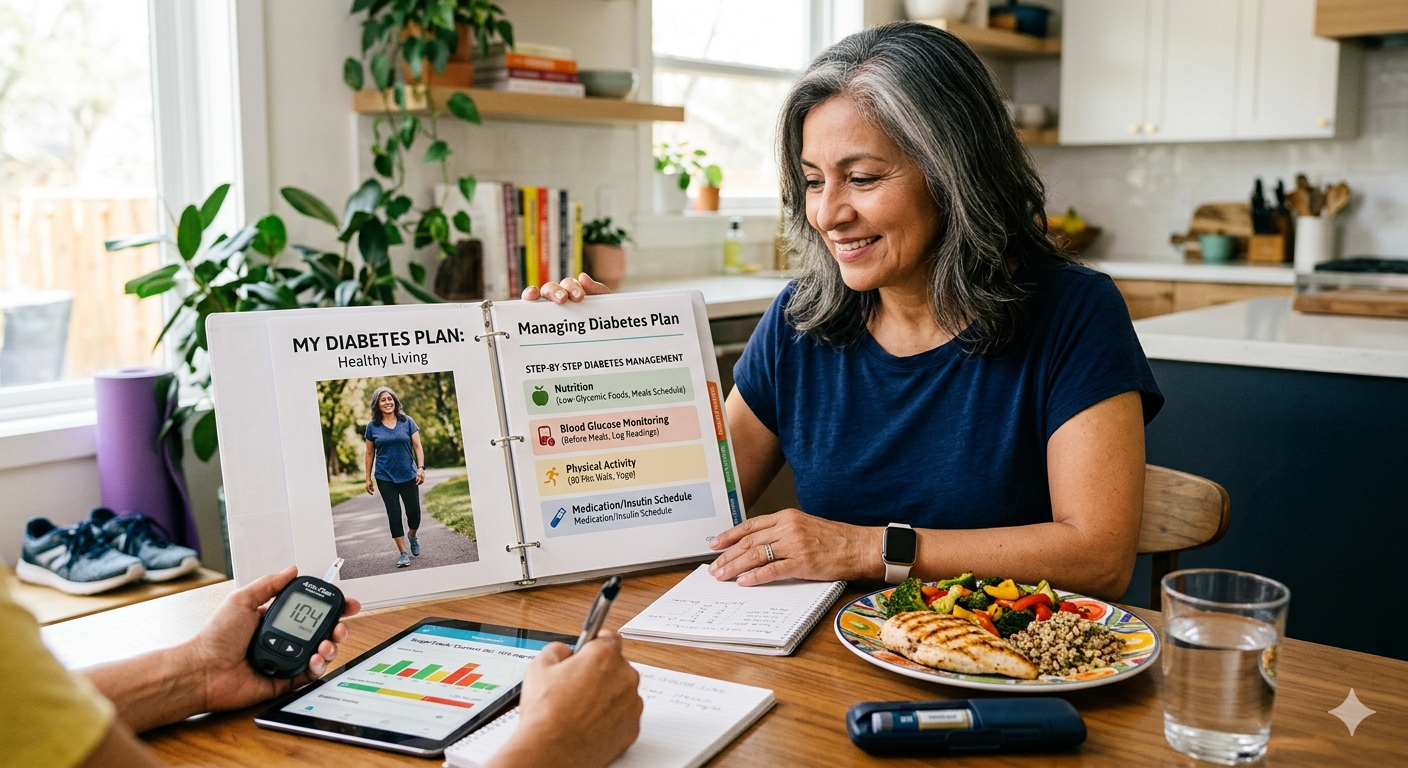
Navigating the Diabetes Challenge in Modern India
India is often referred to as the ‘Diabetes Capital of the World,’ a title we are eager to shed. In 2026, the prevalence of Type 2 diabetes is reaching younger demographics than ever before, largely due to a combination of genetic predisposition and a massive shift toward sedentary, high-stress, and high-carb urban lifestyles. However, a diagnosis is not a life sentence. With the right nutritional strategies, focused physical activity, and a deep understanding of metabolic health, it is possible not only to manage diabetes but, in many cases, to achieve significant ‘remission’ where blood sugar levels remain normal without medication.
The Core Strategy: Understanding the Glycemic Load
Most diabetes advice focuses on ‘avoiding sugar,’ but the real culprit in the Indian diet is the excessive consumption of refined carbohydrates that act like sugar in the body. A plate of white rice or two white-flour rotis can cause the same insulin spike as a dessert. The key to management is understanding the **Glycemic Load (GL)**. By choosing ‘slow-releasing’ carbohydrates like whole wheat with the husk, brown rice, or millets, and always pairing them with fiber-rich vegetables and quality proteins, we can flatten the glucose curve and reduce the strain on our pancreas.
The Role of Fiber: Your Metabolic Shield
Dietary fiber is the unsung hero of blood sugar control. It creates a physical barrier in the gut that slows down the absorption of glucose into the bloodstream. In an Indian context, this means filling half your plate with non-starchy vegetables like broccoli, spinach (Palak), bitter gourd (Karela), and bottle gourd (Lauki). Bitter gourd, in particular, contains polypeptide-p, a plant insulin that helps lower blood sugar naturally. Incorporating these traditional remedies alongside modern medical advice creates a powerful synergistic effect.
Protein Pacing and Muscle Health
For many years, the importance of muscle in diabetes management was overlooked. Skeletal muscle is the largest consumer of glucose in the body. The more muscle mass you have, the more ‘sponge’ space you have for sugar to be cleared from your blood. For Indian vegetarians, achieving high protein targets can be challenging. You must prioritize **Paneer, Sprouts, Dal, and Curd** in every meal. Consistent resistance training—even if it’s just bodyweight exercises like squats and lunges—signals your muscles to become more sensitive to insulin, making your body more efficient at processing your food.
Stress and the Cortisol Connection
One of the silent drivers of high blood sugar is chronic stress. When you are stressed, your body produces cortisol, which triggers the liver to release stored glucose for energy (the ‘fight or flight’ response). In a modern office setting where you aren’t actually fighting or fleeing, this sugar stays in your blood. Practices like **Pranayama (deep breathing)** and 20 minutes of daily mindfulness meditation have been clinically shown to lower cortisol and, consequently, fasting blood sugar levels. Never underestimate the power of a calm mind in managing a physical metabolic condition.
A 7-Day Balanced Indian Meal Structure
Transitioning to a diabetic-friendly lifestyle doesn’t mean eating boring food. It’s about ‘The Better Mix’:
- Morning (7 AM): Methi (Fenugreek) water soaked overnight—excellent for improving insulin sensitivity.
- Breakfast (9 AM): A Besan Chilla (chickpea crepe) loaded with chopped vegetables and a bowl of curd.
- Mid-Morning: A handful of walnuts or a small green apple.
- Lunch (1 PM): One multi-grain roti, a large bowl of green leafy vegetable curry (Sabzi), a cup of thick Dal, and a fresh salad.
- Evening: Roasted Chana (chickpeas) and black coffee or tea without sugar.
- Dinner (7:30 PM): A clear vegetable soup followed by a protein-heavy dish like grilled paneer or tandoori soya chunks, with minimal starch.
The Importance of Advanced Monitoring (CGM)
In 2026, technology is a vital ally. Continuous Glucose Monitors (CGM) are small patches that track your blood sugar 24/7. They provide immediate feedback on how specific Indian foods affect your body. For example, you might find that one type of dal spikes your sugar while another doesn’t. This ‘Bio-Individuality’ is the future of diabetes management, allowing for a personalized diet that is both effective and enjoyable.
Conclusion: Empowering Yourself for Long-term Health
Managing diabetes is about more than just numbers on a meter; it’s about the quality of your life. By embracing a diet rich in traditional Indian superfoods, staying physically active to build metabolic resilience, and managing the stresses of modern life, you can take full control of your health. You have the power to stop the progression of the disease and live a vibrant, energetic life. Start today by making one better food choice—every step is a victory for your future self.