
Rediscovering India’s Heritage: The Mighty Millets
For decades, the Indian plate was dominated by wheat and white rice, but as we navigate the health challenges of 2026, a silent revolution is taking place in our kitchens. Millets, once termed ‘coarse grains’ and relegated to rural diets, are reclaiming their status as the ultimate superfoods. These ancient grains—Ragi, Jowar, Bajra, and many others—are not just a trend; they are a nutritional necessity for a nation grappling with rising rates of gluten sensitivity, diabetes, and heart disease. This guide explores why millets are the secret to the future of Indian health.
The Nutritional Powerhouse: Why Millets Trump Refined Grains
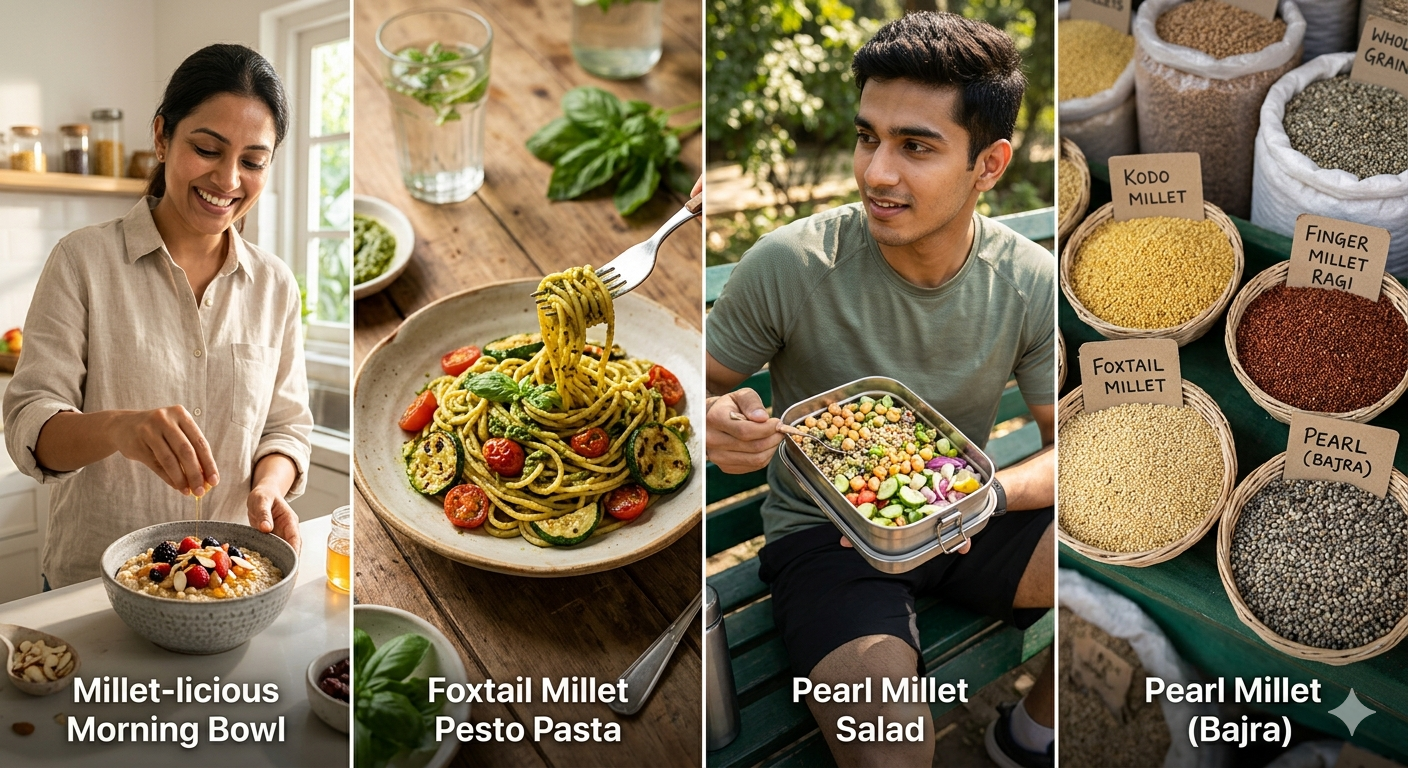
Unlike polished rice or refined wheat (Maida), millets are whole grains that retain their bran and germ, where the majority of nutrients reside. They are exceptionally rich in dietary fiber, which slows down the digestion process and prevents the sudden spikes in blood sugar that lead to insulin resistance. Furthermore, millets are packed with essential minerals. **Ragi** (Finger Millet) contains nearly 10 times the calcium of rice or wheat, making it vital for bone health in a country where osteoporosis is common. **Bajra** (Pearl Millet) is a rich source of iron and magnesium, essential for heart health and preventing anemia.
Gluten-Free and Gut-Friendly: The Digestive Benefit
A significant portion of the Indian population suffers from undiagnosed ‘wheat belly’ or general digestive discomfort linked to the high-gluten content of modern dwarf wheat. Millets are naturally gluten-free and highly alkaline, making them easy on the stomach. They act as prebiotics, feeding the beneficial bacteria in your gut microbiome. A healthy gut is the foundation of a strong immune system, and by incorporating millets like **Kodo** or **Little Millet** into your daily meals, you are actively supporting your body’s natural defenses against inflammation and allergies.
Mastering the Art of Millet Cooking
One of the biggest barriers to millet adoption is the perception that they are difficult to cook or taste ‘dry.’ The secret lies in **soaking**. Millets contain phytic acid, which can hinder mineral absorption. Soaking them for 4-6 hours before cooking not only neutralizes the phytic acid but also ensures they become soft and fluffy. You can use millets in almost every traditional Indian dish:
- Millet Khichdi: Replace rice with Foxtail millet for a protein-rich, low-GI comfort meal.
- Ragi Malt/Porridge: A perfect breakfast for all ages, from infants to the elderly.
- Bajra Rotis: These are traditionally eaten with ghee and garlic chutney in Rajasthan and Gujarat and are excellent for sustained energy during the winter.
- Jowar Idlis and Dosas: Use Jowar (Sorghum) flour in your fermented batters for a healthy twist on South Indian classics.
Environmental Impact: The Ethical Choice
In 2026, our food choices must consider the health of the planet. Millets are climate-resilient crops. They require minimal water compared to the thirsty rice crop and can grow in poor soil without the need for heavy chemical fertilizers or pesticides. By choosing millets, you are not only taking care of your body but also supporting small-scale Indian farmers and promoting a more sustainable agricultural ecosystem that can withstand the challenges of climate change.
Millets for Weight Loss and Diabetes Management
The high fiber and ‘slow carb’ nature of millets make them the ideal tool for weight management. They provide a high degree of satiety, meaning you stay full for much longer, naturally reducing your overall calorie intake throughout the day. For diabetics, millets represent a beacon of hope. Their low glycemic index (GI) helps in maintaining steady HbA1c levels. Transitioning just one meal a day to a millet-based dish can lead to a noticeable difference in energy levels and weight loss within just 30 days.
The Modern Twist: Millet Innovation in 2026
The food industry in India has embraced the millet movement. Today, you can find high-quality millet-based pastas, noodles, and even bakery products that allow you to enjoy your favorite ‘junk’ foods without the health compromises. However, the best way to consume millets remains in their whole form, cooked with traditional Indian methods that have been perfected over generations. From the ‘Millet Cafes’ in urban centers to the resurgence of Ragi Mudde in humble homes, the grain of the future is finally here.
Conclusion: A Return to Roots for a Healthier Future
The journey toward optimal health often leads us back to where we started. Millets are India’s gift to the world—a resilient, nutritious, and versatile grain that has the power to transform our national health profile. By integrating these forgotten superfoods into your modern lifestyle, you are honoring a rich agricultural heritage while securing a vibrant, disease-free future for yourself and your family. Start your millet journey today—your body (and the Earth) will thank you.