
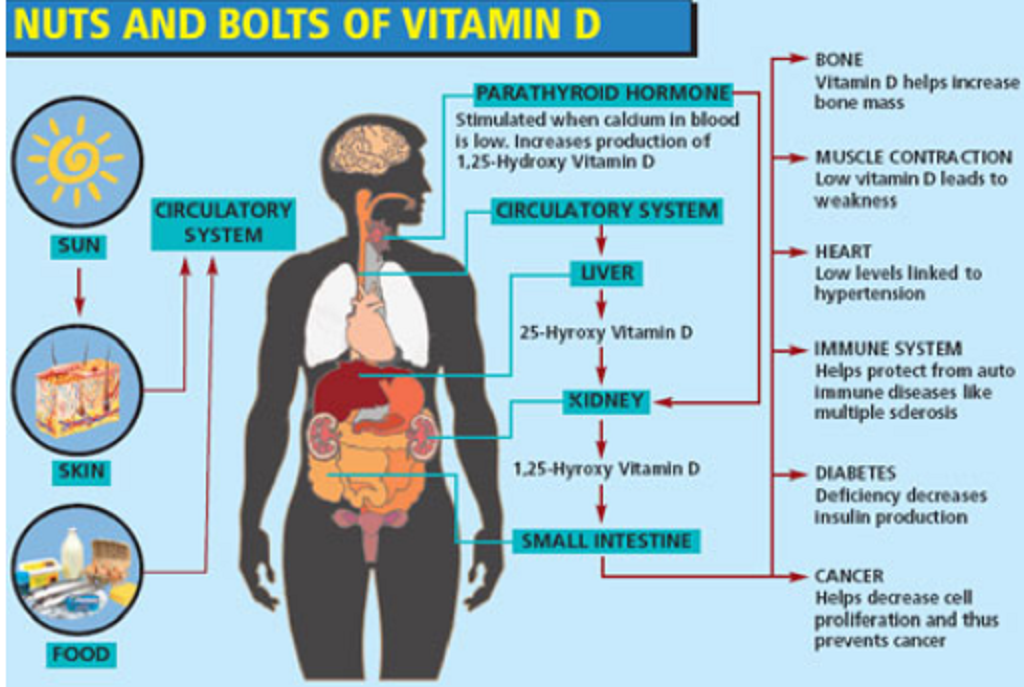
The Tropical Paradox: Why Indians Lack the Sunshine Vitamin
India is a land of abundant sunshine, yet we are facing one of the world’s highest rates of Vitamin D deficiency. In 2026, medical screenings reveal that over 75% of the urban Indian population has suboptimal levels of the ‘Sunshine Vitamin.’ Vitamin D is not just a nutrient; it is a pro-hormone that regulates over 2,000 genes and is essential for everything from mineral absorption to immune defense and emotional well-being. This guide explores why we are deficient despite our climate, the silent symptoms you shouldn’t ignore, and a practical roadmap to achieving Vitamin D sufficiency in a modern office-bound lifestyle.
Understanding Melanin: The Natural Sunblock
The primary reason for the Vitamin D paradox in India is the high level of **Melanin** in our skin. While melanin is a beautiful adaptation that protects us from skin cancer and DNA damage from UV radiation, it also acts as a powerful natural sunblock that slows down the synthesis of Vitamin D. A person with darker skin needs significantly more sun exposure (often 3 to 5 times more) than a person with fair skin to produce the same amount of Vitamin D. When you combine this biological factor with our modern indoor lifestyles and the fear of ‘tanning,’ the result is a widespread deficiency that is often undiagnosed until it causes serious health issues.
The Silent Symptoms: Bone Pain and Fatigue
Vitamin D is the key that ‘unlocks’ calcium absorption in the gut. Without it, your bones become soft and brittle—a condition known as Osteomalacia in adults and Rickets in children. Many Indians attribute their chronic back pain, joint stiffness, and general fatigue to ‘old age’ or ‘work stress,’ when the root cause is actually a nutrient deficit. Furthermore, Vitamin D is essential for muscle function; if you feel a loss of grip strength or experience frequent muscle cramps, your levels might be dangerously low. A simple blood test for ’25-hydroxy Vitamin D’ is the only way to know for sure where you stand.
The Immunity Connection: Your Internal Shield
In the post-pandemic era of 2026, we understand that a strong immune system is our best defense. Vitamin D receptors are found on almost every immune cell, including T-cells and B-cells. It helps the body distinguish between its own cells and foreign pathogens, reducing the risk of autoimmune diseases. Chronic Vitamin D deficiency has been linked to a higher frequency of respiratory infections, the common cold, and even more severe inflammatory conditions. Ensuring your levels are above 30 ng/mL (ideally closer to 50 ng/mL) is a non-negotiable step for maintaining your body’s ‘First Responder’ system.
Mental Health: The Vitamin D and Mood Link
The presence of Vitamin D receptors in areas of the brain involved in both depression and anxiety has led researchers to call it the ‘Mental Health Vitamin.’ Vitamin D is a cofactor for the synthesis of **Serotonin**, the ‘feel-good’ neurotransmitter. This explains the phenomenon of ‘Seasonal Affective Disorder’ and why many urban Indians feel a sense of low mood or irritability after days of being stuck indoors. Correcting a Vitamin D deficiency can often have a profound effect on mental clarity and emotional stability, acting as a natural supporting pillar for overall psychological resilience.
How to ‘Sunbathe’ Correctly in India
To produce Vitamin D, your skin needs exposure to **UVB rays**. These rays are most intense when the sun is high in the sky—between 11:00 AM and 2:00 PM. Taking a walk early in the morning or late in the evening might be pleasant, but it produces almost zero Vitamin D. Aim for 15-30 minutes of sun exposure 3 times a week, with at least 40% of your skin (arms and legs) exposed, without sunscreen. However, in our polluted Indian cities, the PM2.5 particles often filter out the UVB rays before they reach the ground. This makes consistent sun-synthesis difficult for most urban dwellers.
The Role of Supplementation and Diet
While food sources like egg yolks, mushrooms, and fortified milk provide some Vitamin D, they are rarely enough to fix a clinical deficiency. For most urban Indians, **Supplementation** is a necessity, not an option. In 2026, many doctors recommend a high-dose ‘Loading Phase’ (often 60,000 IU weekly for 8 weeks) followed by a daily maintenance dose. Always take your Vitamin D supplement with the largest meal of the day containing healthy fats (like Paneer or Ghee), as it is a fat-soluble vitamin. Supplementing with Vitamin K2 alongside D3 is also advised to ensure the calcium goes into the bones and not the arteries.
Conclusion: Reclaiming Your Vitality
Vitamin D is the foundation of your biological infrastructure. By recognizing the tropical paradox and taking proactive steps—through sensible sun exposure, strategic supplementation, and regular testing—you can unlock a level of health and energy that was previously unreachable. Don’t ignore the silent signs of weakness or low mood. Test your levels today and start your journey toward a stronger, more vibrant version of yourself. The sunshine is free, but the knowledge of how to use it is priceless.